
Media leaders, editors and journalists meeting at the Pan African Media Summit in Nairobi have raised alarm over widespread sexual harassment in African newsrooms, warning that silence, weak reporting systems and abuse of power continue to expose journalists to unsafe working environments.
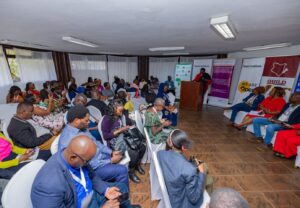
The concerns emerged during a side event convened by the Kenya Editors’ Guild in partnership with the World Association of News Publishers, WAN IFRA, as the industry awaits the release of a new regional report on sexual harassment in the media sector.
The findings presented at the summit painted a troubling picture across the continent.
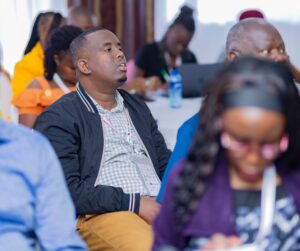
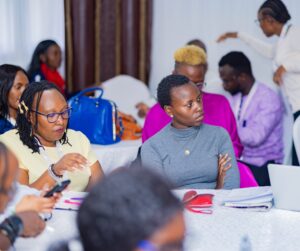


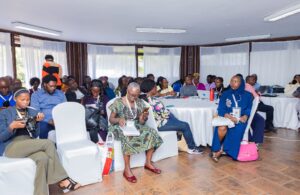

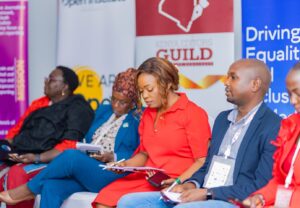
According to the report, one in every two women working in the media has experienced verbal or physical sexual harassment. Only 21 per cent of the cases are formally reported to management. The study also found that male journalists are increasingly facing harassment in the workplace, though many cases remain hidden because of stigma and fear of retaliation.
The discussions focused on what participants described as a deeply entrenched culture of silence in newsrooms where victims often fear losing jobs, assignments or career opportunities if they speak out.
Speakers at the forum said harassment cases are frequently linked to unequal power structures inside media organisations, particularly where senior editors, managers or influential figures are accused of misconduct.
The summit called for stronger newsroom accountability systems, independent reporting mechanisms and better protection for survivors.
The Pan African Media Summit, hosted in Nairobi by the Media Council of Kenya together with the Kenya Editors’ Guild, Kenya Union of Journalists and the Association of Media Women in Kenya, has brought together media stakeholders from more than 20 African countries to discuss the future of journalism on the continent.
This year’s summit is taking place against growing concern over the safety and sustainability of journalism in Africa. Recent discussions at continental media forums have focused heavily on attacks against journalists, political intimidation, shrinking newsroom revenues and the growing pressures created by digital disruption and misinformation.
Women journalists and media rights advocates attending the Nairobi summit said sexual harassment remains one of the least reported threats in the profession despite its widespread nature.
Industry groups argue that many African media houses still lack clear sexual harassment policies, confidential reporting systems and survivor support structures. Freelance journalists and younger reporters are often the most vulnerable because of precarious contracts and dependence on newsroom gatekeepers for assignments and career progression.
The full WAN IFRA regional report is expected to be officially launched on May 21 and is likely to intensify calls for reforms across African media organisations.
Media leaders at the summit said the credibility of journalism depends not only on defending press freedom but also on ensuring newsrooms themselves uphold ethical standards, dignity and workplace safety.
